

Following the passage of legislation last year, the U.S. Department of Justice (DOJ) had to reluctantly publish a considerable amount of its Jeffrey Epstein-related documents, colloquially known as the “Epstein Files.” These files, estimated by some to represent as little as 2% of the Department’s Epstein-related documentation, do not offer a complete picture of Epstein’s activities as they are largely centered on emails from a single Gmail account used by Epstein: [email protected]. The email address appears to be primarily associated with Epstein’s activities while he was staying at his private island, Little Saint James, located in the U.S. Virgin Islands (USVI). However, the released emails contain many interesting revelations about key aspects of Epstein’s activities as well as his connections to prominent people who were intimately involved in his USVI operations.
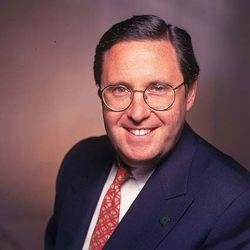
In this final installment of First Friends, a series that has examined figures with considerable overlaps between Jeffrey Epstein and the Trump family, a key nexus of Epstein’s activities, specifically in the USVI, has been illuminated by the recent document releases. It comprises Epstein, the Emirati elite Sultan Ahmed bin Sulayem (Sultan bin Sulayem or bin Sulayem in the remainder of this article), and New York businessman Andrew Farkas. Sultan bin Sulayem is best known for controlling a significant portfolio of Emirati government-owned assets, particularly in freight and the maritime industry, with important holdings in logistics globally as well as major real estate holdings in the United States and beyond. He recently became the subject of national media scrutiny when his name was redacted by the DOJ in an exchange with Epstein, whereby Epstein told him he “loved the torture video” that Sultan bin Sulayem had sent him. The DOJ has provided no further information about the “torture video.”
Read Full Article: https://thewashingtonstandard.com/first-friends-how-andrew-farkas-and-an-emirati-sultan-helped-epstein-build-a-smugglers-paradise/
